Meaning
Engineering standards define a specific protocol for applying longitudinal force to a material sample until mechanical failure occurs. The kirkaldy method provides a standardized measure of tensile strength and elasticity that remains consistent across different laboratories. Machines record the load.
Testing Protocol
Metal specimens are machined into a standard dog-bone shape to ensure the break occurs in a predictable location. The kirkaldy method involves gripping the ends of the sample and increasing the tension at a constant rate. Sensors capture the relationship between the applied stress and the resulting strain.
Structural Integrity
Manufacturers rely on these results to verify that raw materials meet the specifications required for heavy construction or aerospace applications. The kirkaldy method identifies the point at which a material transitions from elastic deformation to permanent plastic change. This data point informs the safety margins used by architects and engineers.
Reliable testing prevents the use of substandard steel in public infrastructure.
Compliance Verification
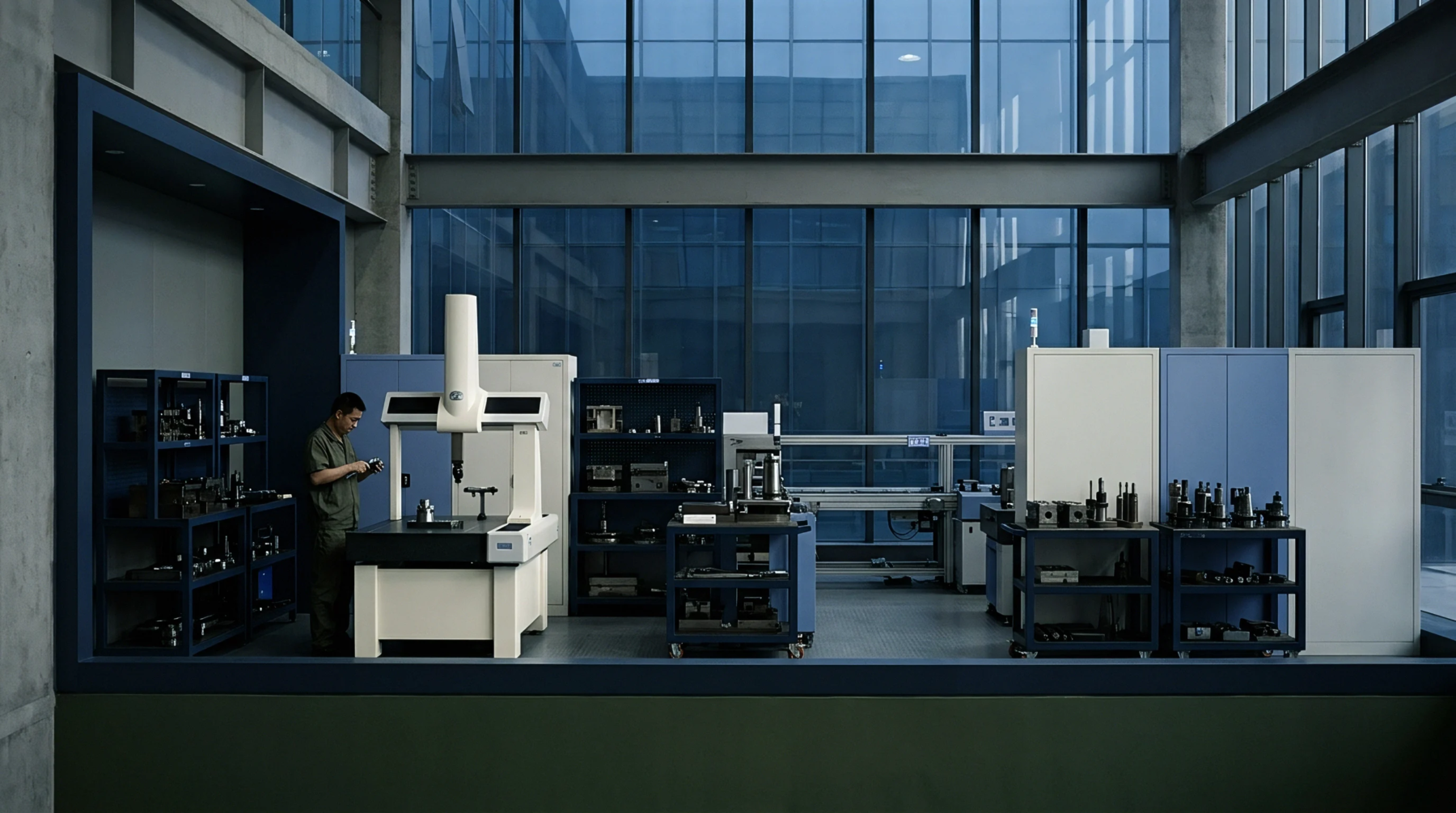
Quality control departments in Chinese factories use this procedure to audit the batches received from smelters. The kirkaldy method provides the technical basis for rejecting shipments that do not meet the hardness or ductility requirements of the contract. Inspectors compare the test curve against the national GB standards for industrial metals.
This rigorous approach maintains the quality of the global supply chain.