Meaning
A minimum kinetic threshold defines the thermal energy required for chemical reactants to undergo a phase transformation or structural bonding during industrial manufacturing. In chemical synthesis and battery cell production, activation energy barrier determines the rate at which electrode binders cure or electrolyte solvent molecules break down under elevated temperatures. Operating below this threshold prevents complete chemical conversion, while excessive heat input introduces side reactions that degrade product quality.
Kinetic Limit
Chemical reaction rates increase exponentially with temperature according to established Arrhenius relationships. The height of the activation energy barrier dictates how sensitive a chemical bath or curing oven is to temperature fluctuations on the shop floor. Lowering this threshold using catalysts accelerates production throughput, though it reduces ambient shelf life for pre-mixed chemical precursor batches prior to application.
Process Impact
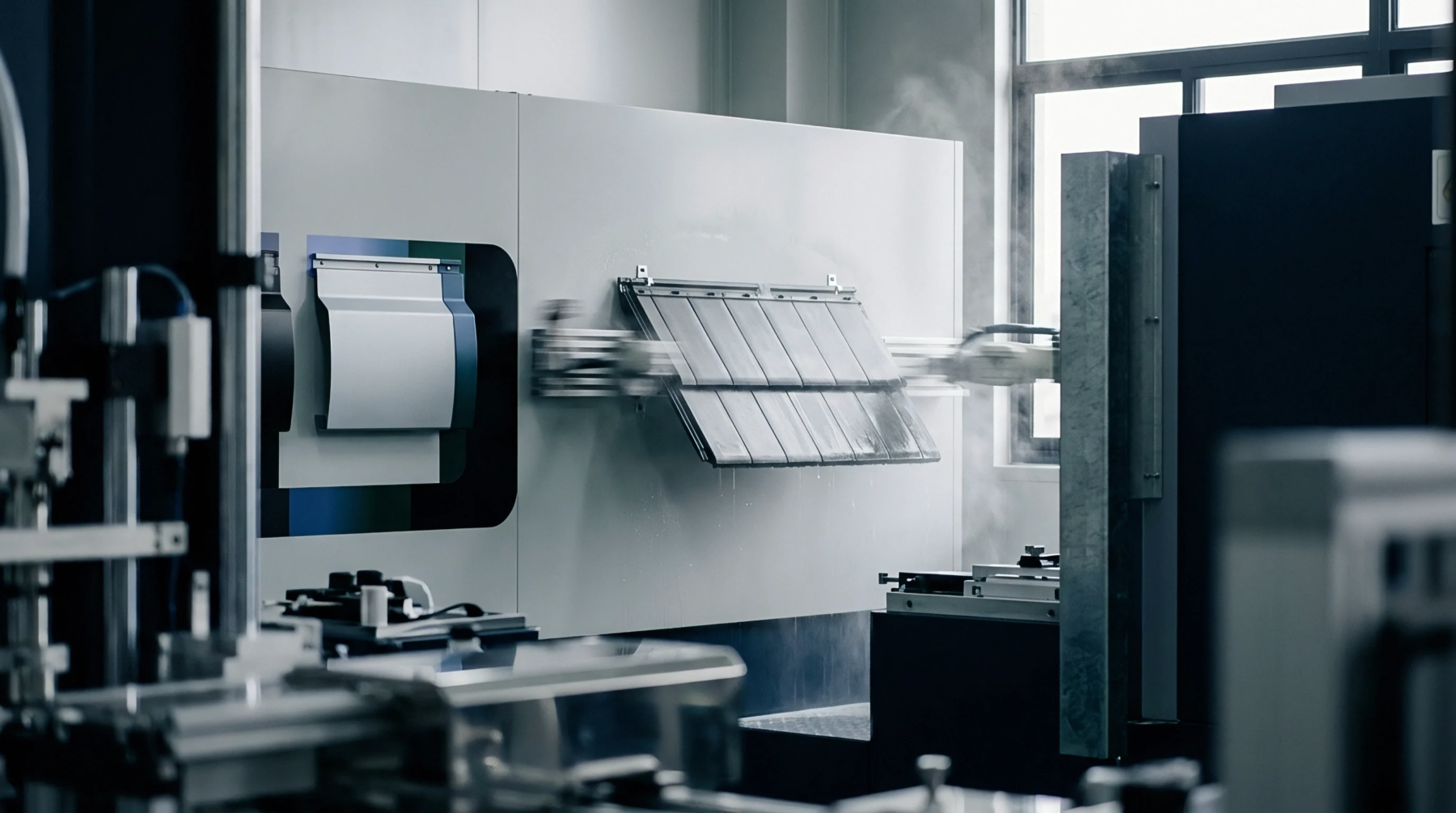
Industrial coating lines rely on precise thermal profiling to guarantee uniform crosslinking without thermal degradation of substrates. When activation energy barrier requirements are high, thermal processing ovens must operate at elevated temperatures or extended residence times, which increases energy consumption per unit manufactured. Factory quality control protocols monitor temperature stability across drying zones to prevent incomplete curing that leads to delamination or mechanical failure during downstream assembly.
Thermal Margin
Activation energy barrier parameters dictate the upper thermal boundary where unintended thermal decomposition initiates during vacuum drying.